- Entry
- Sounding 006
- Type
- Reflection · workshop
- Provenance
- Activity Snapshot Module ASM-01247
- Status
- Live
This archive is the Museum’s Activity Snapshot Module — a time-tracking database — repurposed. Each entry is a Sounding: an official field turned to hold what the record was built to leave out.
Crystallisation
Simondon’s theory of crystallisation offers a framework for understanding transformation in conservation practice. His four-stage model shows how change emerges not through external imposition but through carefully cultivated conditions: the seed, or germ, that initiates transformation; the supersaturated solution poised for change; the crystal that emerges from it; and the transformed solution that remains.
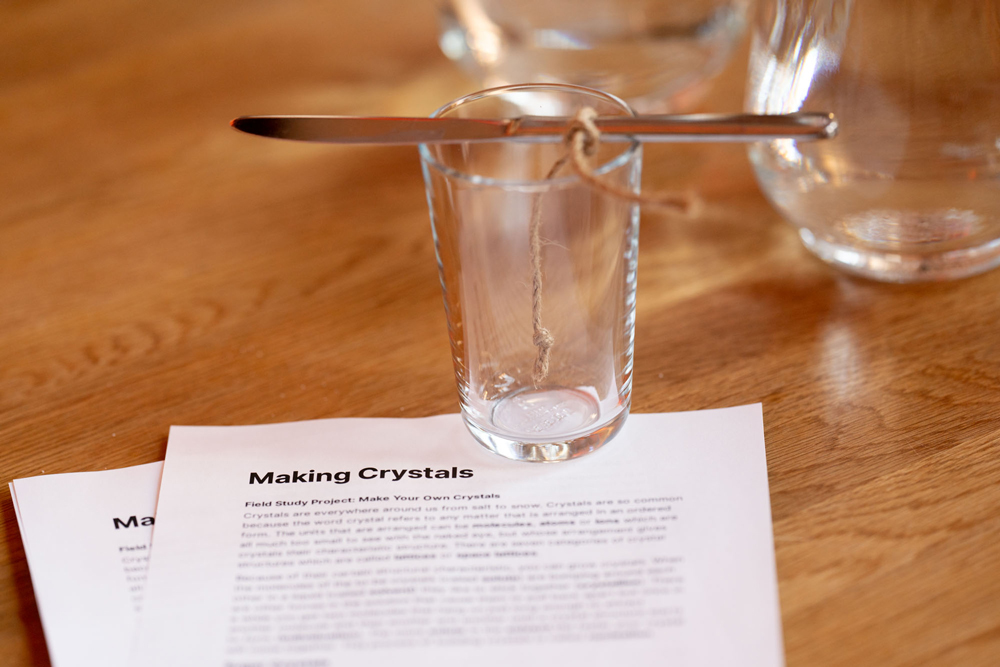
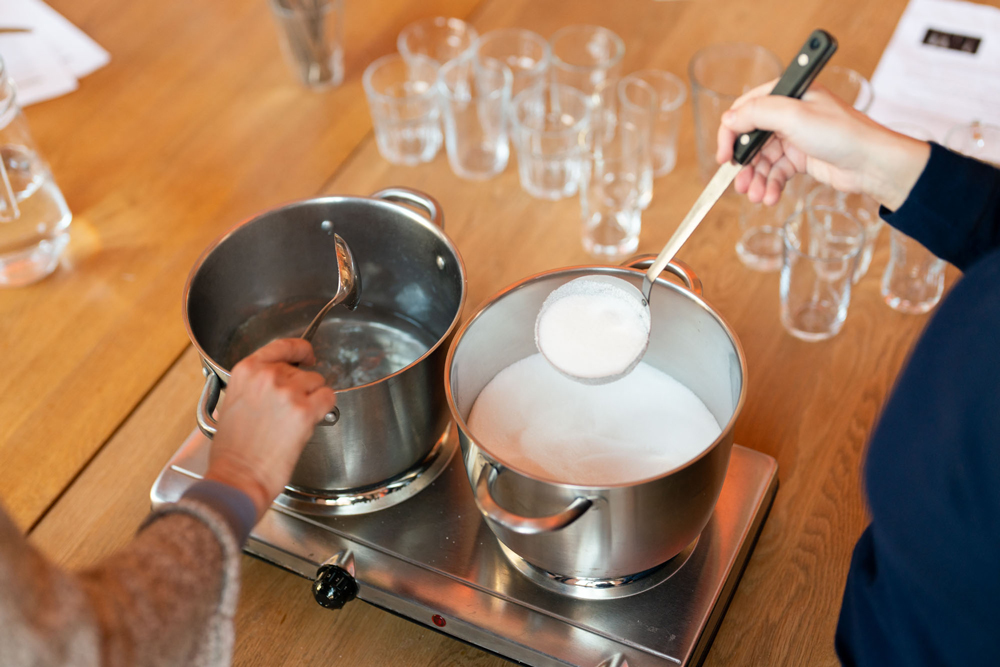
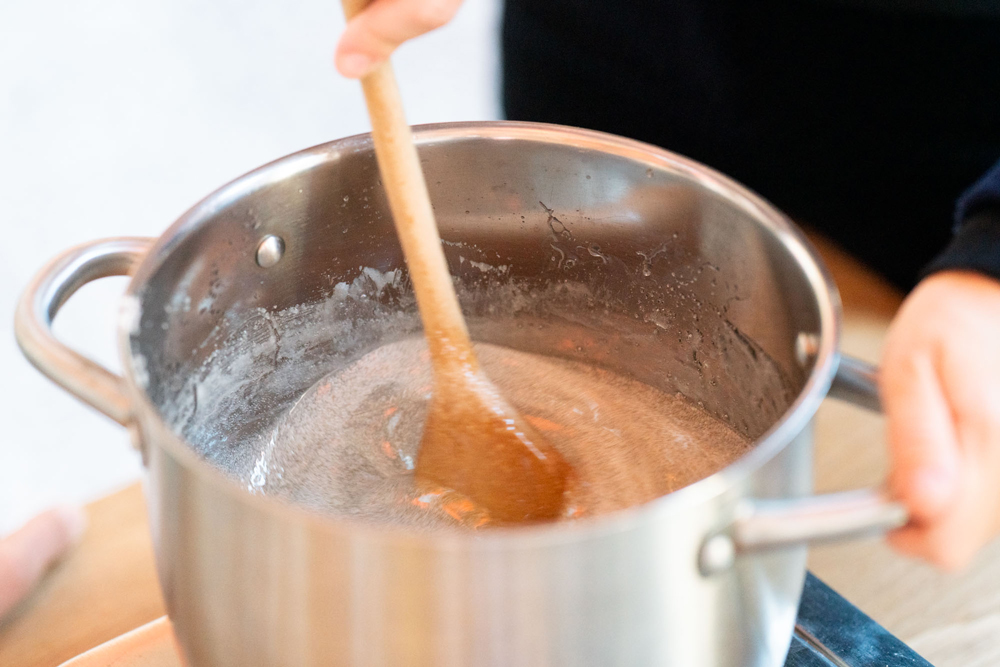
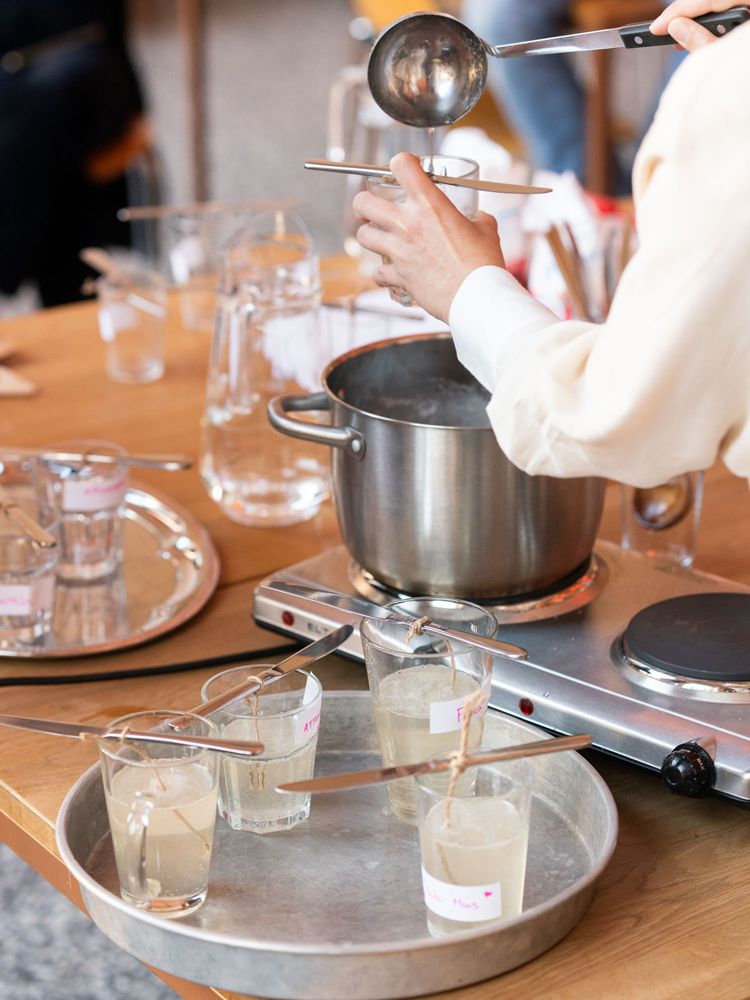
Institutional change works the same way. The museum is a metastable environment, rich with potential. Each conservation encounter might act as a seed, each technical protocol setting the conditions for a new practice to form. Crystallisation is temporal: it expands in every direction, builds layer on layer, and answers to its surroundings. Growing your own crystals shows how delicate those conditions are, how exactly the circumstances must be held for anything to form at all.
Informed by crystallisation, the speculative approach in conservation turns on interstitial and indeterminate spaces, the gaps within museum practice. Here speculation bridges experience and imagination, and generates new knowledge. As in crystallisation, these are the places where technical precision meets imaginative possibility, reworking established practice while institutional memory keeps evolving. It is in these spaces that counter-factual approaches form, and conservation grows past its inherited boundaries.